
Free refreshment review
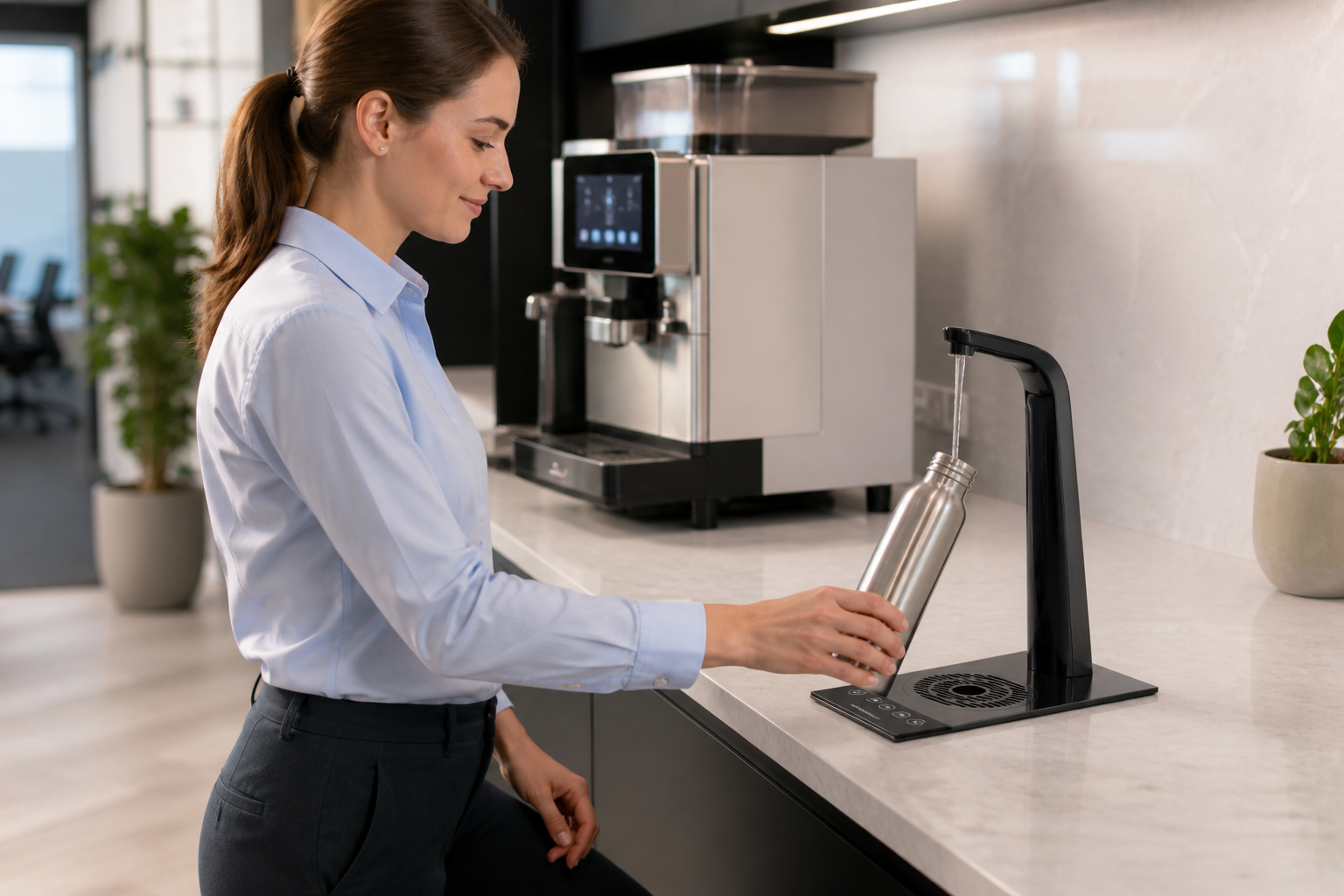
Colleague refilling a reusable bottle at a Borg and Overstrom T3 workplace water tap with a Franke A600 coffee machine in the background
Workplace sustainability

Lower-waste coffee, hydration and vending

Practical changes your teams will keep using: mains-fed hydration, right-sized equipment and smarter vending ranges, backed by the FDS Group.

Mains-fed hydrationRight-sized equipmentSmarter vending rangesUK install & support
How we think

Sustainability that survives a busy Monday

Good environmental choices only stick when they are maintainable on site.

We work to reduce single-use waste, specify durable equipment and use energy intelligently, without compromising drink quality or hygiene. Clear advice, dependable kit and support that reflects the FDS Group culture behind future® Vending.

Our commitments

Three standards that shape every recommendation

What we hold to when specifying coffee, water and vending, covering avoidable waste, equipment life and energy use.

Reduce waste, increase reuse

Mains-fed hydration and refillable systems where they displace avoidable single-use bottles and packaging.
Choose durable equipment

Commercial machines, repairable components and planned maintenance extend service life and cut unnecessary replacements.

Use energy intelligently

Correct sizing, energy-saving modes and sensible schedules help avoid needless consumption day to day.

By refreshment type

Practical lower-waste measures for coffee, hydration and vending

Every item below is scoped in your proposal. Specification you can act on, not vanity statistics.

Franke A600 bean-to-cup coffee machine with a reusable cup in a workplace tea point
Coffee

Coffee sized for demand, not brochure specs

  • Bean-to-cup, instant or coffee vending sized from peak cups and cleaning time
  • Energy-saving modes and sensible schedules where compatible with daily use
  • Fairtrade and Rainforest Alliance-certified coffee where your organisation requires them
  • Milk systems and consumables matched to headcount so waste and cost stay controlled

Example machine: Franke A600 · Guide: bean-to-cup vs instant vs coffee vending

Explore coffee machines
Reusable bottle being filled from a Borg and Overstrom T3 filtered workplace water tap
Hydration

Mains-fed hydration that teams actually use

  • Filtered boiling, chilled and sparkling on tap to displace delivered bottles where practical
  • Reusable bottles and jugs in meeting rooms instead of single-use plastic
  • Filter schedules and service scoped so equipment stays dependable long term
  • Tea-point layout planned with power, waste and access, not guessed from a catalogue

Example system: Borg & Overström T3 · Guides: reducing single-use bottles · taps vs bottled water

Explore water dispensers
Snack and drink vending machine in a UK workplace breakout area
Vending

Smarter ranges and replenishment

  • Planograms matched to footfall, not full capacity for its own sake
  • Managed vending where you want refills handled and slow lines trimmed
  • Fresh food only where volume supports rotation, with the waste risk stated upfront
  • Cashless payment and compact ranges that reduce outdated stock on site

Example machine: Necta Gusto 8 · Guide: snack, cold drink or fresh food vending

Learn about managed vending
Tea point example

Before and after mains-fed hydration

Many sites move from delivered bottles and disposables to filtered tap water and reusable bottles. What you can report depends on what you stop buying and can evidence.

Workplace tea point with bottled water cooler and disposable cups
Before. Delivered bottles, coolers and disposables often dominate the tea point.
Modern workplace tea point with Borg and Overstrom T3 water tap, Franke A600 coffee machine and reusable bottles
After. Filtered tap water and reusable bottles become the easy default.

Read more: reducing single-use bottles with mains-fed hydration

Start with the right questions

Make sustainability part of the specification

We compare energy features, filtration, consumables, packaging, expected service life and refill logistics alongside quality and price, so environmental goals stay connected to a workable solution.

Understand current waste and energy use

Bottled water, disposable cups, overstocked vending and idle equipment are common starting points on site visits.

Match equipment to real demand

Right-sized coffee, hydration and vending keeps quality up and avoids unnecessary running costs.

Plan care so gains last

Filter schedules, replenishment routes and service cover are scoped in your proposal, not added as an afterthought.

Questions worth sharing when you enquire

Use these as a starting point for your conversation with our team.

  • Do you want to reduce or remove delivered bottled water?
  • Do you need boiling, chilled or sparkling water on tap?
  • What is peak coffee demand and cleaning time on site?
  • Are Fairtrade or Rainforest Alliance coffees required?
  • How closely should vending ranges match actual footfall?
  • Would managed refill visits help on compatible machines?
Request a free proposal
Further reading

Guides that support lower-waste decisions

Practical articles on hydration, vending ranges and managed service.

Sustainability questions

Practical answers before you specify

Lower-waste refreshment only works when equipment, consumables and care stay manageable day to day.

Speak to our team
Can filtered taps really reduce bottled water?

Yes, where a mains-fed tap is practical. Reusable bottles and cups become the easy default when chilled, sparkling or boiling water is on tap. Actual savings depend on current bottled-water habits.

Do you supply Fairtrade or Rainforest Alliance coffee?

Fairtrade and Rainforest Alliance-certified coffee can be included where your organisation requires them, confirmed in your proposal.

How does smarter vending cut waste?

Demand insight helps refine ranges and replenishment so slow lines are not overstocked. Managed vending adds planned refill visits on compatible machines.

Does lower-waste equipment cost more to run?

Not necessarily. Correct sizing, energy-saving modes and sensible schedules are part of how we specify. Purchase, lease and rental routes are compared in your proposal.

Which sustainability changes are easiest to maintain?

Mains-fed hydration, right-sized coffee machines and vending ranges matched to footfall tend to stick because teams use them every day without extra process.

Can you plan coffee, water and vending together?

Yes. One conversation covers tea-point hydration, coffee demand and vending footfall so specifications fit the same breakout or floor.

Do you install and support nationwide?

Yes. Site checks, installation and ongoing filter or service support are scoped for UK workplaces in your proposal.

Where should we start?

Share headcount, current bottled-water or vending habits and any certification requirements. We will recommend a practical starting mix.

Clear advice. No obligation.

Take the next step towards lower-waste refreshment

Tell us about your people, space and priorities. We will recommend a practical starting point and explain the options clearly.

Free calculator

Vending cost check

Estimate the annual cost of your current workplace coffee, hydration and vending setup and see where savings may be possible.

Check now
Contract options

Contract switch over check

Estimate the cost of ending a current vending, coffee machine or refreshment agreement and review potential switch savings.

See options